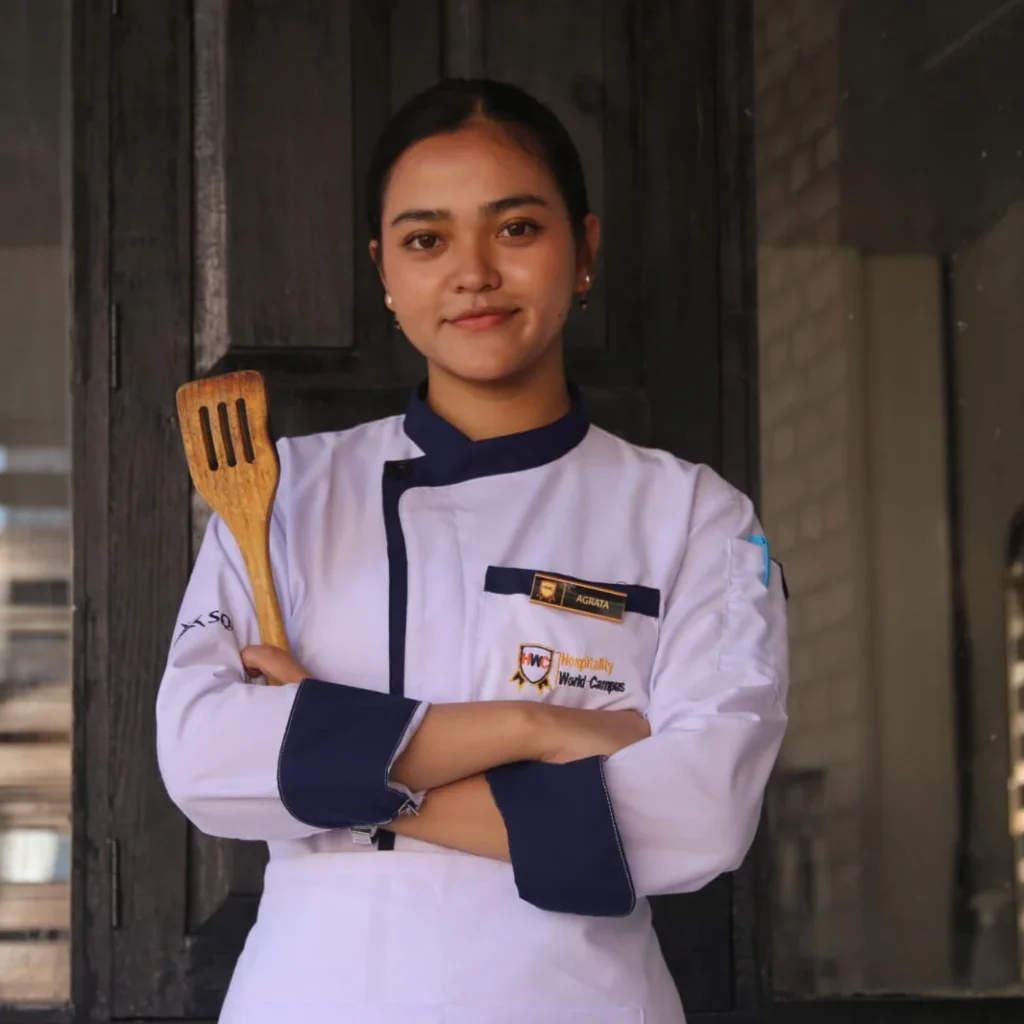
chef course in nepal

Chef Course in Nepal: Everything You Need to Know to Start Your Cooking Career

Have you ever watched someone cook a beautiful dish and thought, “I want to do that too”?

Or maybe you already love cooking and want to turn that love into a real job?

If that sounds like you, then a chef course in Nepal might be exactly what you are looking for.

Nepal is growing fast. New restaurants, hotels, and cafes are opening every year in Kathmandu, Pokhara, and other cities. Because of this, the demand for trained chefs is higher than ever before. This means there are real jobs waiting for people who have the right skills and training.

In this blog, we will explain everything about chef courses in Nepal. We will talk about what you learn, where you can study, how much it costs, what kind of job you can get, and how much money you can earn. We have written this in very simple words so that anyone can understand it.

Let’s get started!

What is a Chef Course in Nepal?

What Does a Chef Course Teach You?

A chef course is a program that teaches you how to cook food in a professional way. But it is not just about making dal bhat or momo. In a proper chef course in Nepal, you learn many things:

  • How to cook different types of food like Nepali, Indian, Chinese, Continental, and Italian
  • How to bake bread, cakes, and pastries
  • How to keep the kitchen clean and safe
  • How to plan a menu for a restaurant
  • How to manage a kitchen and work with a team
  • How to present food in a beautiful way so that it looks nice on the plate

Professional chefs do not just cook they also think about the science of food, the pairing of ingredients, and how to create new recipes. A good chef course teaches all of this in a step-by-step way.

Why is Chef Training Important in Nepal?

You might think, “I already know how to cook at home. Why do I need a course?” That is a great question! Cooking at home and cooking in a restaurant or hotel are very different things.

In a professional kitchen, you have to cook food very fast, in large amounts, for many people at the same time. You also have to make sure the taste is always the same — every plate has to be perfect. This takes special skills and training that you only get from a proper chef course.

Nepal is facing a shortage of professionally trained chefs right now, which makes skilled culinary staff highly valuable in the job market. This is very good news for anyone who completes a chef course. It means companies are actively looking for people like you.

Why Should You Do a Chef Course in Nepal?

Nepal’s Food Industry is Growing Fast

Nepal’s tourism industry is booming. In 2025 alone, Nepal welcomed over 1.15 million foreign tourists, and because of this, new cafes, luxury resorts, and cloud kitchens are opening everywhere from Kathmandu to Pokhara. All of these places need chefs. They need people who know how to cook good food and manage a kitchen properly.

Multi-cuisine dining, cloud kitchens, and specialty food businesses have grown rapidly, creating strong demand for chefs skilled in Continental, Chinese, Indian, Bakery, and Pastry sections.

This growth is not just in big cities. New hotels and resorts are also opening in smaller towns and tourist destinations across Nepal. So if you complete a chef course, you will have many places to apply for a job.

You Can Also Work Abroad

One of the biggest benefits of doing a chef course in Nepal is that it can also take you to other countries. Countries such as the UAE, Qatar, Australia, Japan, and many European countries hire Nepali chefs. Working abroad offers higher salary, better facilities, and valuable experience.

Many Nepali chefs who start their careers in local hotels and restaurants eventually go on to work in 5-star hotels in Dubai, cruise ships in Europe, or luxury resorts in the Maldives. A proper chef course gives you that foundation.

You Can Start Your Own Business

Not everyone wants to work for someone else. If you dream of opening your own cafe, bakery, or restaurant one day, a chef course in Nepal will prepare you for that too. You will learn not just cooking, but also menu planning, kitchen management, and food costing — all the things you need to run your own food business.

Top Places to Do a Chef Course in Nepal

Hospitality World Campus (HWC)

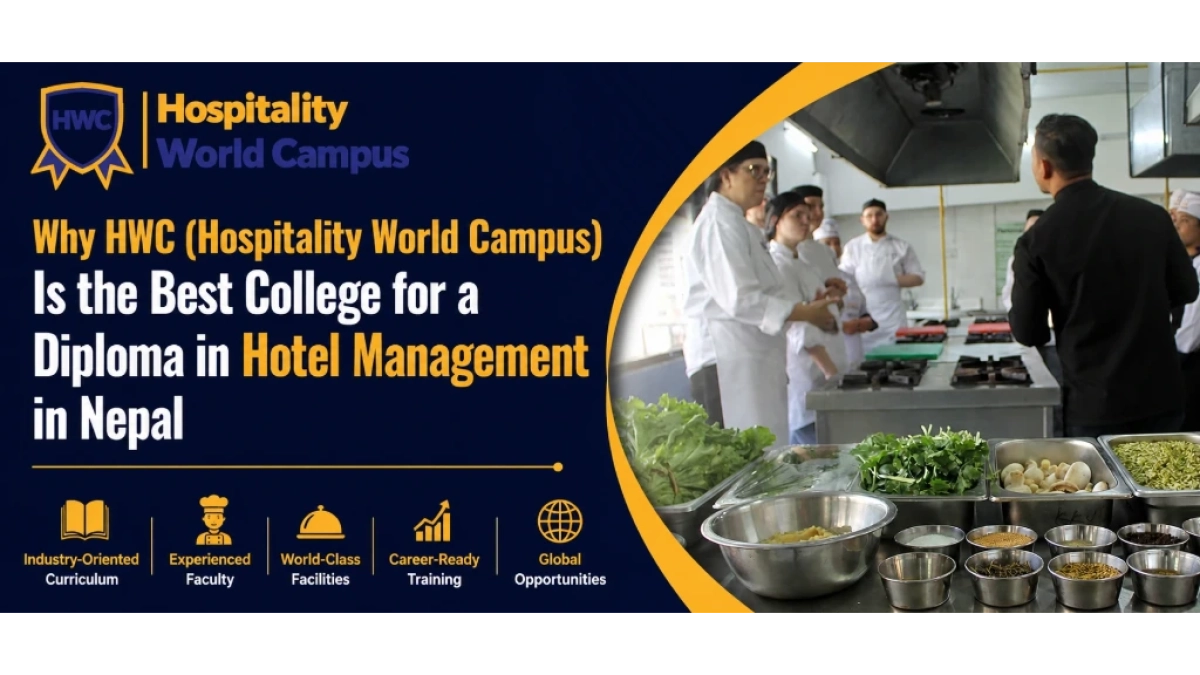
One of the most exciting options for a chef course in Nepal is Hospitality World Campus (HWC), which describes itself as the best culinary arts college in Nepal. HWC offers a special program called the Professional Chef Course – Advanced, which is designed for people who want to take their cooking skills to the highest level.

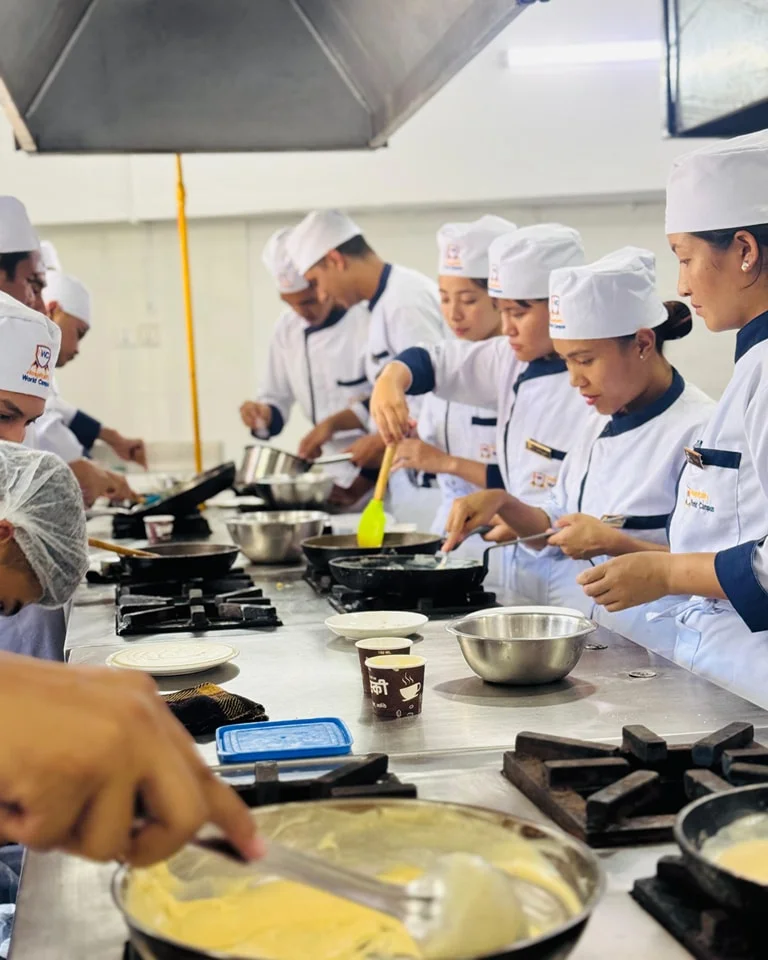
This is a 90-hour program where you learn advanced techniques in cooking, baking, and pastry-making. Expert instructors guide you through food science, ingredient pairing, and how to create your own recipes. The school has modern kitchens with top-quality equipment, and students get hands-on training in food preparation, menu planning, and kitchen management.

Here are the key details of the Professional Chef Course – Advanced at HWC:

  • Duration: 90 Hours
  • New Batch: Every month (so you can start anytime!)
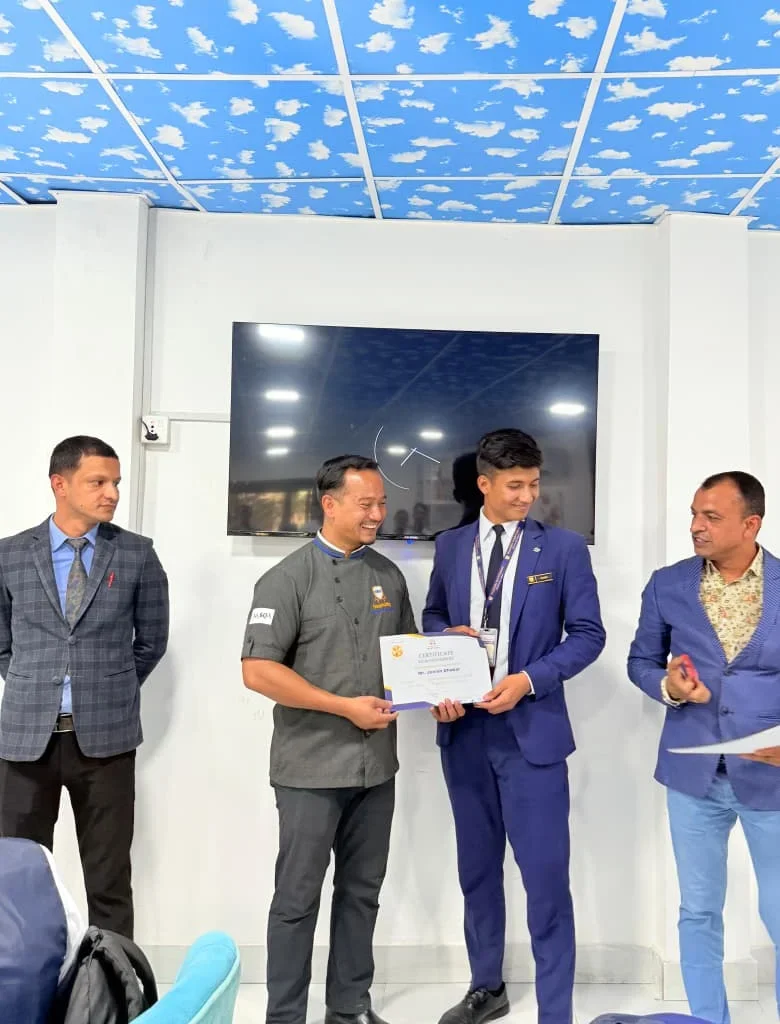
  • Certificate: International certificate from SQA (Scottish Qualifications Authority)
  • Eligibility: Students who have passed SLC/SEE with at least D+ grade (GPA 1.6), with D+ in English. Must be 17 years or older.

The international SQA certificate is a big deal because it is recognized worldwide. This means your certificate is not just useful in Nepal employers in other countries will also accept it.

What makes HWC special is its student-first approach. The campus has small class sizes, meaning you get more personal attention from your teachers. Each student also gets a mentor who meets with them regularly to make sure they are learning well and are happy. You can learn more about this program and enroll at their official website: hwc.edu.np.

Other Culinary Schools in Nepal

Nepal also has several other well-known schools where you can do a chef course:

IHTS (International Hotel Training School) in Kathmandu offers a Diploma in Culinary Arts. This 1,860-hour intensive diploma course is ideal for beginners and those passionate about culinary arts who want to build a dynamic career. It focuses on practical learning with theory to enhance culinary creativity, hygiene knowledge, and kitchen management skills.

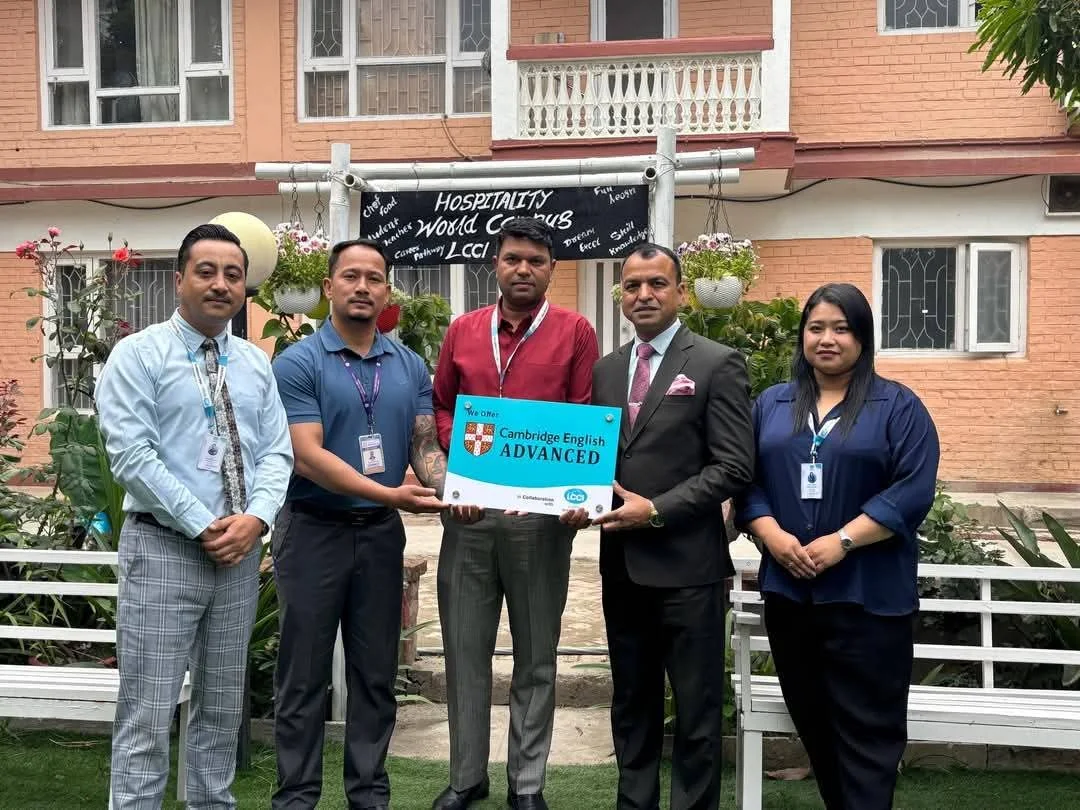
IIG (International Institute of Gastronomy) in Nepal offers the CTH Level II Diploma in Culinary Skills. This is a globally recognized program that prepares aspiring chefs, food enthusiasts, and future restaurateurs for success in the culinary and hospitality industry. It is accredited by the Confederation of Tourism and Hospitality (CTH), United Kingdom, and certified by CTEVT, Nepal.

ACA (Academy of Culinary Arts and Hospitality Management) is another respected institution. With a proven track record of more than a decade, ACA takes pride in being one of the leading providers of hospitality and culinary education in Nepal. The institution started its journey in 2010 with a Diploma course in Culinary Arts.

IHM College in Lalitpur is known for its job placement support. IHM College is a pioneer and trend-setter college for professional culinary arts programs with 100% job placement support globally, and the program offers hands-on practical training where training meets industry-standard skills.

StarChef Culinary Arts and Hotel Management Institute is another popular choice, especially for those looking to work abroad. StarChef has guaranteed internship and job placement support in prestigious destinations like Australia, Europe, the Middle East, the Maldives, and beyond.

What You Will Learn in a Chef Course in Nepal

Cooking Techniques and Kitchen Skills

The main part of any chef course in Nepal is learning how to cook. But it goes much deeper than just following a recipe. You learn:

  • Basic and advanced cutting and chopping techniques
  • How to use professional kitchen equipment safely
  • How to cook using different methods boiling, frying, baking, roasting, steaming, and more
  • How to cook cuisines from different countries, including Nepali, Indian, Chinese, Continental, and Italian food
  • How to make stocks, sauces, and soups from scratch
  • How to bake bread, cakes, pastries, and desserts

The best chef courses in Nepal teach these things through hands-on practice. You do not just sit in a classroom and listen you actually cook in a real kitchen every day. This is how you truly learn.

Food Safety, Hygiene, and Kitchen Management

This is a very important part of the course that many people do not know about. A professional chef must know how to keep the kitchen clean and safe. If food is not handled properly, people can get sick. So you learn:

  • The rules of food safety and hygiene
  • How to store food properly so it does not go bad
  • How to manage a kitchen, organize the team, and work under pressure
  • How to plan a menu that balances taste, nutrition, and cost

These skills are not just about cooking they are about running a professional operation. If you want to become a head chef or run your own kitchen one day, these lessons are essential.

Career Opportunities After a Chef Course in Nepal

Jobs You Can Get in Nepal

After completing a chef course in Nepal, you have many career options. Chefs in Nepal can explore a wide range of career paths across hotels, restaurants, catering companies, and international hospitality sectors.

Here are the most common jobs:

Commis Chef — This is a junior chef position. It is the starting point for most culinary graduates. You work under senior chefs, learn every day, and build your skills. Fresh culinary students usually start their journey in this exact role.

Station Chef (Chef de Partie) — After a few years of experience, you move up to manage a specific section of the kitchen, like the grill, pastry, or sauce station.

Sous Chef — This is the second-in-command in a kitchen, working directly under the head chef.

Head Chef / Executive Chef — The top position in a kitchen. You are responsible for the entire menu and all the kitchen staff.

Pastry Chef — If you love baking, you can specialize in making cakes, bread, and desserts. Many new coffee shops and big hotels in Nepal are always looking for good bakery chefs.

Kitchen Manager / Food Production Manager — You manage the operations of a kitchen, including ordering supplies and managing the team.

You can work in hotels, restaurants, cafes, catering companies, airlines, resorts, and even on cruise ships.

How Much Money Can You Earn?

Now let’s talk about salary something everyone wants to know!

Entry-level hotel salary in Nepal is usually between NPR 12,000 and NPR 18,000 per month for freshers. Mid-level hotel staff such as supervisors and experienced chefs usually earn between NPR 20,000 and NPR 35,000 per month.

As you gain experience and move to higher positions, your salary grows significantly. The total gross salary for the Chef position in Nepal ranges between NPR 34,831 and NPR 223,475 per month, depending on experience and the type of employer.

For chefs who work abroad, the earnings are even higher. Working abroad offers higher salary, better facilities, and valuable experience, and international work helps chefs improve their skills and earn more income in the future.

Many Nepali chefs who go to work in the Middle East, Australia, or Europe earn salaries that are many times higher than what they would earn in Nepal.

How to Choose the Right Chef Course in Nepal

Things to Look for in a Good Chef Course

With so many options available, how do you pick the right chef course in Nepal? Here are some simple things to check:

Hands-on Training: Make sure the school has a real, professional kitchen where you can practice every day. Theory is important, but real cooking practice is what makes you a good chef.

Qualified Teachers: Your instructors should be experienced chefs who have actually worked in hotels and restaurants not just people who have read books about cooking.

Certificate Recognition: Check if the certificate you receive is recognized in Nepal and abroad. An internationally recognized certificate like the one from HWC (SQA) or IIG (CTH) is very valuable.

Internship Support: Many schools offer internship placements in hotels and restaurants. This is a great way to get real work experience while you are still studying.

Job Placement: Some schools, like IHM College, offer 100% job placement support. Find out what career support is available after you complete the course.

Batch Size and Schedule: Check when new batches start and how many students are in each class. Smaller classes mean more personal attention from your teacher. HWC, for example, starts a new batch every month, so you do not have to wait long to begin.

How Much Does a Chef Course Cost in Nepal?

The cost of a chef course in Nepal varies depending on the school and the length of the program. Short courses like the 90-hour Professional Chef Course – Advanced at HWC are more affordable and quicker to complete. Longer diploma programs that last 6 months to 1 year naturally cost more but provide deeper training and more opportunities.

It is always a good idea to contact the school directly to ask about current fees, scholarship options, and payment plans. Many schools in Nepal also offer discounts for early enrollment or scholarships for deserving students.

Tips to Succeed in Your Chef Course

Work Hard in the Kitchen Every Day

The number one tip for succeeding in a chef course in Nepal is simple practice as much as you can. Every time you cook, you get better. Do not be afraid to make mistakes. Making mistakes is how you learn. Senior chefs will correct you and guide you. Take every feedback as a lesson.

Be punctual and disciplined. Professional kitchens run on strict schedules. If lunch service starts at 12 PM, every dish needs to be ready. Being on time and being organized is a huge part of being a professional chef.

Build Your Portfolio

As you learn new dishes, take photos of your work. A clean, beautiful photo of a dish you made can be very powerful when you apply for a job later. Employers like to see what you can do before they hire you.

You can also keep a small notebook where you write down new recipes, techniques, and tips you learn during your course. This becomes a personal recipe book that you can refer to throughout your career.

Be Curious and Keep Learning

The best chefs in the world never stop learning. Try different types of food, visit new restaurants, watch cooking videos online, and read about different cuisines. The more curious you are about food, the better chef you will become.

FAQ

Who can join a chef course in Nepal?

Most chef courses in Nepal are open to anyone who has passed SLC/SEE. For the Professional Chef Course – Advanced at HWC, you need at least a D+ grade (GPA 1.6) and must be 17 years or older.

How long does a chef course take?

It depends on the program. Short courses like the one at HWC are 90 hours. Diploma programs can take 6 months to 1 year. Degree programs can take 2 to 4 years.

Can I work abroad after doing a chef course in Nepal?

Yes! Many Nepali chefs work in countries like Dubai, Qatar, Australia, Japan, and across Europe. An internationally recognized certificate makes it much easier to apply for jobs abroad.

Is cooking a good career in Nepal?

Absolutely. The chef profession in Nepal is becoming a popular and reliable career choice. As more hotels, restaurants, cafés, and resorts open across the country, the demand for skilled chefs is increasing every year.

Does HWC give a certificate?

Yes. The Professional Chef Course – Advanced at Hospitality World Campus comes with an international certificate from SQA (Scottish Qualifications Authority), which is recognized around the world.

Final Thoughts: Is a Chef Course in Nepal Right for You?

If you love food and want to turn that love into a real career, a chef course in Nepal is one of the best decisions you can make. Nepal’s food and hospitality industry is growing fast, and there are real opportunities waiting both in Nepal and abroad.

Whether you are a fresh SLC graduate, a working adult looking for a new career, or someone who simply wants to improve their cooking skills, there is a course out there for you. Programs like the Professional Chef Course – Advanced at Hospitality World Campus (HWC) offer world-class training in a friendly environment, with new batches starting every month and an internationally recognized SQA certificate at the end.

The key is to take the first step. Enroll in a course, work hard in the kitchen, stay curious, and never stop learning. The culinary world is full of exciting opportunities and your journey can start today.

To learn more about the chef course and other culinary programs in Nepal, visit Hospitality World Campus at hwc.edu.np and talk to their admissions team.

diploma in hotal management in nepal

Diploma in Hotel Management in Nepal: Everything You Need to Know

So you just passed your SEE (Class 10), or you are currently doing your +2, and you are wondering what should I do next?

If you love meeting people, enjoy good food, and can imagine yourself working in a hotel or restaurant someday, then a Diploma in Hotel Management could be the perfect course for you.

This blog will tell you everything about this course in simple language – what it is, who can do it, what you will study, how much it costs, and most importantly, how this diploma can open doors not just in Nepal but even in foreign countries like Australia, the UK, Dubai, and Canada.

Let’s start from the beginning.

What is a Diploma in Hotel Management?

what is a diploma in hotel management

A Diploma in Hotel Management (DHM) is a professional course that teaches you how the hospitality and hotel industry works. You learn about cooking, serving food and drinks, managing hotel rooms, handling the front desk, housekeeping, customer service, and much more both in theory and through hands-on practice.

In Nepal, this diploma is mainly offered under CTEVT (Council for Technical Education and Vocational Training), which is a government body. There are also international programs affiliated with bodies like SQA (Scottish Qualifications Authority), which are recognized abroad as well providing the credit transfers to different countries.

Think of it this way hotels do not just need owners. They need trained, skilled staff who know how to run every department smoothly. A Diploma in Hotel Management trains you to be exactly that kind of professional. And because hotels exist all over the world, your skills are needed everywhere.

Who Can Do This Course?

Eligibility

This is one of the best things about this course. You do not need to complete your +2 to join it in the private culinary arts colleges like Hospitality World Campus. If you have just passed your SLCE, which is Class 10, you are already eligible.

CriteriaDetails
Minimum EducationPassed SLCE (Class 10) from a recognized school
Minimum GradeAt least D+ grade in compulsory Math, English, and Science (CTEVT). Some programs require C grade.
Also eligible ifYou are currently doing or have completed +2 (Class 11/12)
Age Requirement17 years or above
Required DocumentsSEE/SLC marksheet, character certificate, equivalency certificate if applicable, passport-size photos

Good news for +2 students: If you are doing your +2 right now or have already completed it, you can still join the Diploma in Hotel Management in Nepal in HWC (Hospitality World Campus). In fact, +2 pass students may get additional advantages when applying for higher studies or going abroad after the diploma.

Types of Diploma in Hotel Management Programs in Nepal

In Nepal, this course is available in different forms. Here is a simple breakdown:

1. DHM under CTEVT (3 Years)

This is the most common program. It is a 3-year, 6-semester course offered by over 23 colleges across Nepal. CTEVT is a government-recognized body, so the certificate carries weight both in Nepal and abroad. Each semester is 6 months long, and the final year includes a practical internship.

2. Diploma under SQA (Scottish Qualifications Authority)

This is an internationally affiliated program. The course runs for about 9 months of theoretical and practical training followed by a 6-month paid internship in hotels in Nepal or abroad including countries like Dubai, Malaysia, Macau, China, and Croatia. Around 7 institutions in Nepal offer this program, including colleges in Kathmandu and Lalitpur.

3. Short-Term / Private Diplomas (6 months to 15 months)

Some private institutions also offer 6-month to 15-months diploma programs that include both coursework and internship. These are good for students who want to get into the job market quickly. However, do check the recognition before enrolling.

4. Australian-Curriculum Diploma

A few colleges especially in Pokhara and Kathmandu offer hospitality management training based on the Australian curriculum. Students trained under this program may be eligible for credit transfer to Australian colleges and universities when they decide to go abroad for further studies.

Course Duration and Structure

Under CTEVT, the standard Diploma in Hotel Management runs for 3 years divided into 6 semesters. Each semester is 6 months long with at least 15 weeks of actual teaching time.

Year / SemesterFocus Area
Year 1 (Sem 1 & 2)Foundation subjects, Room Division (core), basic hospitality theory and practical
Year 2 (Sem 3 & 4)Disciplinary and auxiliary subjects Room Division + Food & Beverage (both theory and practical)
Year 3 (Sem 5 & 6)Advanced practical application + Internship in a real hotel setting

The internship in the third year is a very important part. This is when you actually go and work inside a hotel usually a 3-star or 5-star property and apply everything you have learned. Many students even get job offers from the same hotel after their internship.

Course Duration and Structure in HWC

In HWC the course is designed to complete the course of diploma in hospitality in 15-month with internship (9 months of training + 6 months of internship). From this the students can easily get the real world experience and also can grow the professional growth in the industry.

Duration

15 Months

Eligibility

  • Students with minimum SLC/SEE with D+ (gpa 1.6) grade along with minimum D+ (GPA 1.6) in English
  • Age 17 years and above.

How to Get Admission – Step by Step

1. Check your eligibility

Make sure you have passed SEE with at least D+ grade in English, Math, and Science. If you have +2, you are also eligible.

2. Choose the right college

Research colleges in your area or city. Check whether the college is CTEVT-affiliated or internationally affiliated. Look at their placement record.

3. Collect your documents

You will need: SEE/SLC marksheet, character certificate, transfer certificate, equivalency certificate if needed, and passport-size photos.

4. Fill the admission form

Visit the college or fill out the online form. Most colleges accept admissions twice a year typically after SEE results and around Bhadra.

5. Pay the fees and start

After selection, pay the first semester fee and join the orientation. Your journey into hotel management begins here.

Career Opportunities After Diploma in Hotel Management

Once you complete this diploma, the doors that open are wider than most students realize. The hospitality industry is one of the largest employment sectors in the world – globally, about 1 in every 8 workers is employed in this sector. In Nepal, where tourism contributes around 7% to the GDP, the demand for skilled hotel management professionals keeps growing every year.

Hotels & Resorts

Work as a receptionist, cook, waiter, housekeeping staff, or department supervisor in 3-star to 5-star hotels in Nepal and abroad.

Airlines & Airports

Airline catering services and airport lounges require trained hospitality professionals. Many airlines hire hotel management graduates.

Cruise Ships

Cruise lines around the world, especially in Europe and USA, regularly hire kitchen and service staff trained in hospitality.

Restaurants & Cafes

From fast food to fine dining, restaurants, café chains, and food production companies are always in need of trained staff.

Hospitals & Institutions

Hospital catering services, institutional feeding, corporate canteens, and hostels also employ hotel management graduates.

Event Management

Banquets, weddings, corporate events event management companies need food, beverage, and service experts to run shows.

Teaching & Training

After gaining experience, you can teach at hotel management colleges in Nepal or become a trainer for hospitality staff.

Entrepreneurship

Start your own restaurant, café, catering business, or guesthouse. This diploma gives you all the practical skills to run one successfully.

After completing the diploma, you are eligible for positions equivalent to non-gazetted 1st class (Level 5 technical) as per Nepal’s Public Service Commission in roles like cook, waiter, receptionist, or room supervisor.

Going Abroad After Diploma in Hotel Management – The Big Advantage

Here is something that most students do not fully understand when they start this course a Diploma in Hotel Management from Nepal is recognized and valued in many foreign countries. And there is one very important benefit that makes it even more attractive for students planning to go abroad for further studies.

Credit Transfer: You Can Skip Subjects You Already Did

When Nepali students go abroad to do a Bachelor’s degree in Hotel Management or Hospitality, many foreign universities and colleges allow credit transfer. This means: the subjects you already studied here in Nepal do not have to be repeated. The foreign university looks at your diploma transcript and grants you exemptions for those subjects saving you time and money.

For example, students who have completed an Advanced Diploma under SQA can enter a Bachelor’s degree program abroad with 8 course exemptions out of 24, or 90 credit exemptions out of 240 in some universities. In simple terms instead of doing a full 3 or 4-year bachelor’s degree from scratch, you may be able to enter directly into the 2nd year or get significant credit for what you already know.

Paid Internship Abroad During Study

Many programs especially SQA-affiliated ones include a 6-month paid internship in foreign countries as part of the course itself. Students have interned in Dubai, Malaysia, Macau, China, and European countries like Croatia while still completing their diploma in Nepal. This is an incredible opportunity to earn money, gain real international work experience, and build your CV all while still being a student.

Job Placements Abroad After Graduation

Several colleges in Nepal have tie-ups with international hotels and recruitment agencies. After completing the diploma, many students directly get placed in 5-star hotels in the Middle East (Dubai, Qatar), Southeast Asia (Malaysia, China, Thailand), and even Japan and European countries. The hospitality industry globally is always hungry for skilled, trained professionals and a diploma from a recognized Nepal institution puts you in that pool.

Further Studies After Diploma in Hotel Management

If you want to continue studying after finishing this diploma, you have many good options in Nepal and abroad:

CourseDetails
Bachelor of Hotel Management (BHM)4-year degree under TU, PU, Pokhara University etc. You may get credit transfer for subjects already covered.
Bachelor of Hospitality ManagementAvailable under various national and international university affiliations
Bachelor of Travel & Tourism Management (BTTM)4-year program available at TU, Pokhara University, and others
BBA (Hospitality)Business administration with a hotel management focus
Abroad Bachelor’s with Credit TransferUK, Australia, New Zealand, Canada use your diploma credits to skip certain subjects
Advanced Diploma (ADHM)A higher-level diploma for those who want more specialization before doing a bachelor’s

Important for +2 students: If you have already completed your +2 and then do a Diploma in Hotel Management, you may be in a stronger position when applying for bachelor’s programs or foreign university admissions because you have both general education and a professional technical diploma.

Salary Expectations in Nepal and Abroad

Freshers in Nepal typically start earning around NPR 18,000 – 30,000 per month in entry-level hotel jobs after the diploma. With 2–3 years of experience, salaries rise to NPR 35,000 – 60,000+ depending on the property and position.

For those who work abroad especially in the Middle East or Southeast Asia salaries can range from NPR 80,000 to NPR 2,00,000+ per month, depending on the country, property, and role. Working in 5-star hotels in Dubai, Qatar, or on cruise ships can be especially lucrative for skilled Nepali hospitality professionals.

Why Hotel Management is a Smart Choice for Nepal

Nepal is one of the most visited tourism destinations in the world. Every year, hundreds of thousands of tourists come here for mountaineering, trekking, cultural tours, and spiritual visits. This constant flow of visitors needs good hotels, good restaurants, and good service. The hospitality sector already contributes about 2.5% to Nepal’s GDP, and this number is growing.

The government of Nepal keeps investing in tourism infrastructure, which keeps creating new jobs in the hotel industry. So when you study hotel management, you are not just learning a skill you are learning a skill that Nepal will always need.

Frequently Asked Questions (FAQ)

Can I do a Diploma in Hotel Management after passing Class 10 (SEE)?

Yes, absolutely. This is one of the biggest advantages of this course. You only need to have passed SEE with at least D+ in English, Math, and Science. You do not need to wait to complete +2.

Can +2 students also apply for this diploma?

Yes. Whether you are currently studying +2 or have already completed it, you are fully eligible to apply for the Diploma in Hotel Management.

Is this diploma recognized abroad?

Yes. CTEVT certificates are widely recognized for employment purposes. SQA and Australian-curriculum programs are specifically designed with international recognition in mind and allow credit transfer to foreign universities.

What does credit transfer mean exactly?

Credit transfer means that when you go to a foreign university for a bachelor’s degree, they look at the subjects you have already studied in Nepal and give you exemptions or advanced standing for those courses. So you do not have to repeat the same subjects saving both time and money.

How is the internship arranged?

Most colleges arrange the internship for you, either in their partner hotels in Nepal or through tie-ups with international hotels. Some international programs specifically include paid internships in countries like Dubai, Malaysia, and China.

Is there a scope for starting my own business after this diploma?

Definitely. The course covers entrepreneurship, cost control, marketing, and business communication giving you the foundation to start your own restaurant, café, catering service, or guesthouse. Many graduates have gone on to build successful hospitality businesses in Nepal.

Which subjects get exempted when I go abroad with this diploma?

This depends on the specific foreign university and the program you did in Nepal. Generally, subjects like Food Production, Food & Beverage Service, Housekeeping, Front Office, and basic Hotel Management subjects may be counted for credit. Always verify directly with the foreign institution before applying.

Is hotel management only about cooking?

Not at all. While food production is one part, hotel management also covers front office (reception), housekeeping, food and beverage service, marketing, accounting, human resources, customer service, and more. You can specialize in the area that interests you the most.

Final Thoughts: Is This the Right Course for You?

If you are a student who has just passed SEE or is doing +2 and you are wondering what practical, job-ready course you can pursue a Diploma in Hotel Management in Nepal is one of the most sensible choices you can make.

It does not require a lot of academic background. It focuses on real-world skills. It opens doors in Nepal and abroad. You get to earn while learning through paid internships. And when you are ready to go abroad for further studies, the subjects you have already done here can be transferred saving you both time and money.

The hospitality industry never shuts down. People will always travel, eat, and stay in hotels. By training yourself to serve them well, you are building a skill that the world will always need whether you are in Kathmandu, Dubai, London, or Sydney.

So do your research, visit a few colleges, talk to current students, and take the step. A great career in hotel management starts with one decision.

Ready to Begin Your Hotel Management Journey?

Check colleges near you, compare programs, and make sure the college has good internship tie-ups and placement records. Your career in Nepal’s growing hospitality industry and beyond starts today.

Becoming a Master Barista: HWC’s Expert Barista Training


Nepal is no stranger to the love of a good cup of coffee. From the bustling streets of Kathmandu to the serene hills of Pokhara, coffee culture has taken root in our daily lives. Whether it’s a quick pick-me-up in the morning or a cozy coffee date with friends, coffee is a beverage that brings people together. And behind every delicious cup of coffee is a skilled barista.

The Art of Coffee:

Coffee is more than just a drink; it’s an experience. A skilled barista can turn a handful of coffee beans into a masterpiece in a cup. From the aroma that fills the air to the beautiful latte art that adorns the surface, coffee-making is indeed an art.


But how does one become a master barista, capable of brewing the perfect espresso and creating intricate coffee designs? The answer lies in HWC’s Expert Barista Training.


Why Choose Barista Training at HWC?

Hands-on Experience: The best way to learn is by doing. At HWC, you won’t just be listening to lectures; you’ll be in the heart of the action, practicing your coffee-making skills.


Expert Instructors: Our barista instructors are seasoned professionals who have not only mastered the art of coffee-making but also have a deep passion for sharing their knowledge.


From Beans to Brew: You’ll learn everything there is to know about coffee, from the various coffee beans and roasts to the intricate brewing techniques. You’ll understand the science behind a great cup of coffee.

Latte Art: Ever marveled at a beautifully crafted heart or fern on your cappuccino? You’ll have the chance to create your latte art and make every cup a work of art.

International Certification: Upon completing our Barista Training, you’ll receive an internationally recognized certificate, giving you the credentials to work anywhere in the world.


From Novice to Maestro:

Our Barista Training caters to all levels. Whether you’re a complete novice or have some experience in coffee-making, our programs are designed to enhance your skills. The journey begins with the basics of coffee beans and brewing methods. You’ll progress to creating a variety of espresso-based drinks, mastering the espresso machine, and perfecting milk frothing techniques.


You’ll also delve into the world of latte art, where you can unleash your creativity and add a personal touch to every cup. Imagine serving a cappuccino with a heart design to a delighted customer!


Brewing a Career:

While coffee-making is an art, it’s also a rewarding career. With the booming coffee culture worldwide, skilled baristas are in high demand. After completing our Barista Training, you’ll have the expertise and certification to work in a local café or even pursue opportunities abroad.


How to Share Your Coffee Creations:

Once you’ve honed your barista skills, why not showcase your creations? Start an Instagram account or a blog dedicated to your coffee journey. Share pictures of your latte art and provide tips on brewing the perfect cup. It’s a great way to connect with other coffee enthusiasts and showcase your talent.

For more information and to enroll, visit our website.

Master the Kitchen: Learn from Experts at HWC’s Culinary Arts Programs


Are you passionate about cooking? Do you dream of creating culinary masterpieces that delight the senses? If you’ve ever watched your favorite chef on TV and thought, “I want to do that,” then you’re in the right place.

Welcome to HWC’s Culinary Arts Programs, where we turn your passion for cooking into a culinary adventure. Our programs are designed for aspiring chefs and food enthusiasts who want to master the art of cooking. Whether you’re a novice in the kitchen or have some experience, our expert instructors will guide you every step of the way.

The Journey Begins:

Imagine a kitchen filled with the aroma of freshly baked bread, the sizzle of a hot pan, and the artistic arrangement of ingredients on a plate. At HWC, we believe that the kitchen is a canvas, and the chef is the artist. Our culinary programs are your passport to this world of creativity and flavor.

Why Choose HWC’s Culinary Arts Programs?

Expert Instructors: Our experienced chefs and culinary experts will mentor you throughout your culinary journey. They’ve mastered the art of cooking, and now they’re here to pass on their knowledge to you.

Hands-on Learning: We believe that the best way to learn is by doing. You won’t just be watching demonstrations; you’ll be actively cooking in our state-of-the-art kitchens.

From Basics to Mastery: Whether you’re a beginner or an intermediate cook, our programs cater to all levels. Start from the basics or refine your existing skills.

International Certification: Your culinary skills will be globally recognized with our international certification, opening doors to opportunities worldwide.

Variety of Courses: We offer a range of courses, from short workshops to comprehensive programs. You can choose the one that suits your interests and schedule.

What You’ll Learn:

Our Culinary Arts Programs cover a wide range of topics, including:

Knife Skills: Learn the art of precision with different types of knives. From dicing to julienning, you’ll master it all.

Cooking Techniques: Understand various cooking methods, from sautéing to braising, and when to use them.

International Flavors: Explore cuisines from around the world. Discover the secrets of Thai, Italian, Indian, and more.

Plating and Presentation: Elevate your dishes with the art of plating. Your meals will not only taste delicious but also look like works of art.

Baking and Pastry: If you have a sweet tooth, dive into the world of baking. Create delectable pastries, bread, and desserts.

Kitchen Management: Gain insights into running a kitchen efficiently. Learn about menu planning, food cost, and kitchen organization.

A Taste of Success:

At HWC, we don’t just teach you to cook; we prepare you for a successful culinary career. Our programs include job placement assistance, ensuring that you have a path in the culinary world after you graduate.

Picture-Perfect Moments:

Have you ever snapped a photo of a beautifully plated dish and shared it with friends? Imagine creating such dishes yourself. Capture your culinary creations and share them with the world. Encourage your friends to join you on this delicious journey.

Join the Culinary Community:

Cooking is not just about following recipes; it’s about creating memories and sharing moments with loved ones. Whether you’re preparing a simple meal or an extravagant feast, the joy of cooking is universal.

How to Share Your Culinary Creations:

Once you’ve perfected a dish, don’t keep it to yourself. Share it on social media, food blogs, or with friends and family. You can even start your own food blog or Instagram account to showcase your culinary journey.

For more information and to enroll, visit our website.

Unlocking Global Opportunities: HWC’s International Hospitality Management Programs.


In the heart of Nepal, where traditions and cultures thrive, there’s a doorway to the world. Hospitality World Campus (HWC) invites you to unlock global opportunities with its international hospitality management programs. Don’t worry; we won’t make this sound like a complicated recipe. We’ll keep it simple, just like our approach to education.


Why International Hospitality Management?


Hospitality management isn’t just about cooking or serving food. It’s about mastering the art of creating memorable experiences for people. You can create those experiences right here in Nepal and across the globe. HWC offers international programs that can open doors to exciting careers.


A Taste of HWC’s Programs


Let’s take a closer look at some of our programs:


1. Professional Chef Course (2 Months):


You’ll dive into the world of culinary arts, learning from expert chefs.

Think of it as a crash course for becoming a culinary wizard.

From perfecting knife skills to creating culinary masterpieces, you’ll do it all.

And yes, we’ll throw in a bit of humor too – laughter is the best seasoning!


2. Diploma in Global Culinary Arts (12 Months):


This is like a well-structured recipe – a bit longer but totally worth it.

You’ll explore the world’s cuisines, from Italian pasta to spicy Thai curries.

And just like the perfect dessert, you’ll finish with an international certificate.

Your passport to the culinary globe, perhaps?


3. Diploma in Hospitality Management (15 Months):


If you’re the kind who enjoys taking care of people, this one’s for you.

You’ll learn the art of managing hotels, restaurants, and more.

But don’t worry, you won’t have to manage your annoying cousin at the family dinner.

With international placement options, you could be managing hotels around the world.

The Perks:


Now, let’s talk about the perks – the cherry on top!


– UK Job Placement:


Picture this: You, working at a fancy hotel in the UK.

HWC’s programs come with the option to work in the UK after graduation.

You might just find yourself serving tea to the Queen!


– International Certificate:


It’s not just a piece of paper; it’s your ticket to the global hospitality stage.

With an international certificate, you’ll stand out in the job market.

Employers will know you’re not just another chef or manager; you’re an HWC graduate.


Credit Transfer:


If you ever dream of pursuing higher studies, we’ve got your back.

Your credits from HWC’s programs can be transferred to foreign universities.

Think of it as having some ingredients ready for your next culinary adventure.

So, Why HWC?


Let’s wrap this up with a quick answer to the “Why HWC?” question.


Real-World Learning:


We don’t just teach from books; we believe in learning by doing.

Our students go on industrial visits, interact with industry experts, and get hands-on experience.

It’s like learning how to ride a bike by actually riding one – only, in our case, it’s about mastering the art of hospitality.


Job Assistance:


We’re not just focused on your education; we’re dedicated to your career.

HWC offers job assistance, so you won’t be left scrambling for a job after you graduate.

Imagine, no more searching for that perfect job; we’ll help you find a job that best suits your personality and skills be it in home country Nepal or abroad.


In Conclusion:


When you choose HWC, you’re not just choosing an institution; you’re choosing a passport to the world. Our programs are the key to unlocking global opportunities in the field of hospitality.


So, what’s the takeaway here? If you have a passion for food, a knack for managing, or simply enjoy making people feel special, HWC’s international hospitality management programs are your recipe for success. It’s like combining the perfect ingredients to create a fantastic dish – a fulfilling and exciting career.


Come, join us, and let’s stir up your future together. Visit HWC’s website for more information.


Remember, in the world of hospitality, there’s always room for more, especially if it’s you!

IMG_1490

What is a career in culinary arts like?

What is a career in culinary arts like?

Are you passionate about food, cooking, and the art of creating culinary delights? If so, a career in culinary arts could be your perfect recipe for success. In Nepal, where gastronomy is an integral part of culture, pursuing a culinary career opens doors to a world of exciting opportunities. Let’s explore what a career in culinary arts is like in the context of Nepal:

Diverse Culinary Landscape:

Nepal boasts a rich culinary heritage influenced by its diverse geography and multicultural society. From traditional momo stalls to fine dining restaurants, the culinary scene offers a wide spectrum of experiences. As a culinary professional, you can explore and contribute to this rich tapestry.

Education and Training:

To embark on a culinary journey, you’ll need the right education and training. Culinary schools like Hospitality World Campus (HWC) offer comprehensive programs that cover everything from knife skills to menu planning. These programs provide a solid foundation for aspiring chefs.

Creativity and Innovation:

Culinary art is not just about following recipes; it’s an art that encourages creativity. In Nepal, where local ingredients are abundant, chefs have the opportunity to experiment with traditional flavors and modern techniques, creating unique and innovative dishes.

Career Opportunities:

The demand for skilled culinary professionals in Nepal is on the rise. Graduates of culinary programs can pursue diverse career paths, including becoming chefs, bakers, food stylists, or even food entrepreneurs. Additionally, the hospitality industry, including hotels and resorts, offers lucrative positions for culinary experts.

Local and International Exposure:

With its vibrant tourism industry, Nepal welcomes visitors from around the world. This presents an opportunity for culinary professionals to showcase their skills to a diverse clientele. Furthermore, some culinary programs offer international certifications, which can open doors to global career opportunities.

Passion-Driven:

A career in culinary arts is best suited for those who are passionate about food. If you have a genuine love for cooking, experimenting with flavors, and creating delightful dining experiences, you’ll find this career incredibly rewarding.

Challenges and Rewards:

Like any profession, culinary arts come with challenges. Long working hours, high-pressure environments, and the need for constant improvement are part of the package. However, the rewards, such as the satisfaction of seeing people enjoy your creations and the potential for culinary fame, make it all worthwhile.

Continuous Learning:

Culinary arts are ever-evolving. To stay competitive, culinary professionals must continuously learn and adapt to new trends, techniques, and cuisines. This commitment to lifelong learning keeps the profession exciting and dynamic.

Local Ingredients:

Nepal’s culinary culture celebrates local ingredients, which are often organic and fresh. Chefs can create delicious dishes using locally sourced vegetables, meats, and spices, promoting sustainability and supporting local communities.

Community and Pride:

Being a culinary artist in Nepal means being part of a passionate community of food enthusiasts. There’s a sense of pride in preserving traditional recipes while embracing global culinary trends.

In conclusion, a career in culinary arts in Nepal offers a delightful blend of tradition and innovation. It’s a journey of flavors, creativity, and endless possibilities. If you’re ready to turn your culinary passion into a profession, consider enrolling in a reputable culinary school like HWC to get started on your culinary adventure.

Why you should join the Hospitality world campus?

Uncategorized

Why you should join the Hospitality world campus?

If you’re considering a career in the hospitality industry, Hospitality World Campus (HWC) is a great place to start your education. Located in Bhanimandal, Lalitpur, HWC is a leading educational institution that offers a range of high-quality hospitality programs. Here are a few reasons why someone should join HWC:

Approved by the Scottish Qualifications Authority (SQA)

HWC is the first and only Nepalese institution to receive SQA approval and be benchmarked against the Scottish Credit and Qualifications Framework (SCQF) and European Qualifications Framework (EQF). This is a testament to the high quality of education at HWC and makes their programs highly respected and recognized internationally.

Recognized for the “Point based Skills Visa to the UK”

HWC’s programs are recognized for the “Point based Skills Visa to the UK,” which means that students who complete a program at HWC may be eligible to apply for a visa to work in the UK in the hospitality industry. This is a valuable opportunity for students to gain international experience and further their careers.

Assured Internships and Job Assistance in Nepal and Abroad

HWC’s programs offer assured paid internships and job assistance to their students. This is a great benefit for students who are looking to get real-world experience in the hospitality industry and gain a foothold in the job market after graduation.

Industrial Visits, Guest Lectures, and Training by Experienced Professionals from Nepal and Overseas

HWC’s programs also include industrial visits, guest lectures, and training by experienced chefs and hoteliers from around the world. These experiences give students an even more well-rounded education and provide opportunities for hands-on learning.

Wide Range of Programs and Specializations 

HWC offers a range of programs in the hospitality and culinary arts fields, including a Diploma in Hospitality Management, Advanced Diploma in Hospitality Management, Diploma in Global Culinary Arts and short courses in the culinary arts. This allows students to choose a program that aligns with their interests and career goals.

In conclusion, Hospitality World Campus is a highly respected education institution that offers a range of high-quality hospitality programs. The programs are approved by the Scottish Qualifications Authority (SQA) and recognized for the “Point based Skills Visa to the UK,” making them highly respected and recognized internationally. HWC’s programs also offer a range of opportunities for students to gain real-world experience, including internships, job assistance, and training by experienced professionals from around the world. If you’re considering a career in the hospitality industry, HWC is a great place to start your education.

hospitality management

HWC: Your Gateway to Excellence in Culinary Arts and Hospitality Management

Uncategorized

HWC: Your Gateway to Excellence in Culinary Arts and Hospitality Management

hospitality management

Hospitality World Campus is a leading education institution in Nepal that offers a range of high-quality hospitality programs. The programs are approved by the Scottish Qualifications Authority (SQA) and benchmarked against the European Qualifications Framework (EQF), making them highly respected and recognized internationally. Students at HWC can choose from a variety of programs, and short courses in the culinary arts.

One of the standout features of HWC’s programs is the opportunity for students to gain real-world experience through internships and job assistance. The institution has partnerships with various hotels and restaurants both locally and internationally, providing students with the opportunity to put their skills into practice and gain valuable experience in the industry. HWC’s programs also include industrial visits, guest lectures, and training by international and experienced professionals, giving students an even more well-rounded education.

The scope of a hotel management course in Nepal is wide, with students able to choose from a variety of programs and specializations. The hotel management training program at HWC is comprehensive and covers a range of subjects, including food and beverage management, front office operations, and marketing. Upon completion of a hotel management course, students will have the skills and knowledge necessary to succeed in a variety of roles in the hospitality industry.

For students looking to study hotel management, HWC is a great option. The institution has a reputation for high-quality education and is recognized for the “Point based Skills Visa to the UK,” making it easier for students to work in the UK after graduation. HWC also offers a range of hotel management courses after 12th grade, providing a solid foundation for a career in the industry.

In the first year of a hotel management program, students can expect to cover foundational subjects such as introduction to hospitality, food and beverage management, and front office operations. These subjects provide a solid foundation for a career in the industry and prepare students for more specialized coursework in the subsequent years of their program.

HWC also offers a range of short courses in the culinary arts, including Diploma in Global Culinary Arts  and Professional Chef course program. These programs provide students with the skills and knowledge necessary to succeed in a variety of roles in the culinary industry, including as chefs, bakers, menu planners in hospitals, private chefs and lead to become Executive Chef or a Celebrity Chef. The culinary arts subjects covered in these programs include food preparation, cooking techniques, food hygiene, food nutrition and food safety.

Upon completion of a culinary arts program at HWC, students will have the skills and knowledge necessary to succeed in a variety of culinary arts jobs. The demand for skilled culinary professionals is high, making it a lucrative and rewarding career path for those with a passion for food and cooking globally.

In conclusion, Hospitality World Campus is a highly respected education institution in Nepal that offers a range of high-quality hospitality and culinary arts programs. The programs are approved by the Scottish Qualifications Authority (SQA) and recognized for the “Point based Skills Visa to the UK,” making them highly respected and recognized internationally. HWC’s programs also offer a range of opportunities for students to gain real-world experience, including internships, job assistance, and training by experienced professionals.

Culinary Arts College in Nepal

Elevate Your Career with HWC: Leading Culinary Arts College in Nepal

Uncategorized

Elevate Your Career with HWC: Leading Culinary Arts College in Nepal

Culinary Arts College in Nepal

Hospitality World Campus is an emerging education institution in Nepal that aims to be recognized globally for its high-quality hospitality programs. The Hospitality Qualifications at HWC equip students with the knowledge and abilities necessary for a lucrative career in the hospitality sector. Students enjoy a real-life learning environment through HWC’s collaboration with various partners, both locally and internationally.

One of the standout features of HWC’s programs is their approval and quality assurance by the Scottish Qualifications Authority (SQA). In fact, HWC is the first and only Nepalese institution to receive SQA approval and be benchmarked against the Scottish Credit and Qualifications Framework (SCQF) and European Qualifications Framework (EQF). This is a testament to the high quality of education at HWC and makes their programs highly respected and recognized internationally.

In addition to being SQA-approved, HWC’s programs are also recognized for the “Point based Skills Visa to the UK.” This means that students who complete a program at HWC may be eligible to apply for a visa to work in the UK in the hospitality industry. This is a valuable opportunity for students to gain international experience and further their careers.

HWC’s programs also offer paid internships and job assistance in Nepal and abroad to their students. This is a great benefit for students who are looking to get real-world experience in the hospitality industry and gain a foothold in the job market after graduation. Industrial visits, guest lectures, and training by experienced chefs and hoteliers are also part of HWC’s program, giving students even more opportunity to learn and grow in their field.

For students interested in pursuing a career in the culinary arts, HWC offers a range of short courses and diploma in this field. The scope of a hotel management course in Nepal is also wide, with students able to choose from a variety of programs and specializations. The question of whether it is better to study culinary arts or hotel management is a personal one, and depends on an individual’s interests and career goals. Both fields offer exciting and rewarding career opportunities.

HWC offers a range of hotel management courses for international students, as well as courses for students who have completed 12th grade. The first semester of the program typically covers foundational subjects such as introduction to hospitality, food and beverage management, and front office operations. A diploma in hotel management is also available at HWC, which is a shorter program that focuses on practical skills and knowledge for a career in the hospitality industry.

The fees for a hotel management course at HWC vary depending on the program and duration. It’s important to research and compare the costs of different programs to determine which one fits your budget and educational goals.

In addition to its hospitality programs, HWC also offers barista training in Kathmandu. The price for this training varies, but HWC offers competitive rates and provides high-quality instruction from experienced professionals. There are several options for barista training in Nepal, including free barista training and the best barista training in Kathmandu. It’s important to research and compare different training programs to find one that fits your needs and budget.

Mastering the Art of Culinary Delight: Tips and Tricks from Top Chefs

Uncategorized

Mastering the Art of Culinary Delight: Tips and Tricks from Top Chefs

Cooking is an art form that is appreciated worldwide. As an aspiring chef, mastering the art of culinary delight is not only a matter of skill, but also a lifelong journey of creativity, passion, and dedication.

In this article, we will explore some tips and tricks from top chefs to help you elevate your cooking skills and create delicious meals that will impress your friends and family.

Table of Contents

  1. Introduction
  2. Learn the basics
  3. Use fresh ingredients
  4. Proper seasoning
  5. Experiment with flavors
  6. Master knife skills
  7. Temperature control
  8. Time management
  9. Plating techniques
  10. Continuous learning
  11. Conclusion

1. Introduction

Cooking is not just about following a recipe, but it’s also about creating something that is both visually and gustatory pleasing. Chefs all over the world spend years honing their skills, developing their techniques, and exploring new ingredients and flavor combinations to create culinary masterpieces. If you’re an aspiring chef, or simply someone who loves to cook, there are several tips and tricks that you can learn from the experts to elevate your cooking game.

2. Learn the basics

Before you can become a master chef, you need to learn the basics of cooking. This includes understanding the various cooking techniques, such as sautéing, roasting, grilling, baking, and frying. You also need to learn about the various kitchen tools, including knives, pots, pans, and utensils. Take cooking classes or watch cooking shows to learn more about the basics of cooking.

3. Use fresh ingredients

One of the most important tips for creating delicious meals is to use fresh ingredients. Fresh ingredients are not only more flavorful, but they also contain more nutrients than their processed counterparts. When shopping for ingredients, choose fruits and vegetables that are in season, and buy meat and fish from reputable sources.

4. Proper seasoning

Seasoning is key to creating delicious meals. Salt and pepper are the basic seasonings that can be used in almost any dish, but there are many other seasonings that can add depth and complexity to your dishes. Experiment with different herbs, spices, and aromatics to find the perfect balance of flavors.

5. Experiment with flavors

Don’t be afraid to experiment with different flavor combinations. Combining sweet and savory flavors can create a delicious balance in your dishes. Also, try using different textures and temperatures to create contrast in your dishes.

6. Master knife skills

Knife skills are an essential part of cooking. Learn how to properly hold and use a knife to ensure that you can prepare ingredients quickly and efficiently. Sharpen your knives regularly to ensure that they are always in top condition.

7. Temperature control

Controlling the temperature of your cooking is essential to creating delicious meals. Use a thermometer to ensure that meat and fish are cooked to the proper temperature, and use a heat source that is appropriate for the dish you are preparing.

8. Time management

Time management is key to cooking delicious meals. Make a plan before you start cooking, and prioritize your tasks. Make sure that you have all of the necessary ingredients and tools before you begin cooking, and clean up as you go to keep your workspace organized.

9. Plating techniques

The way you present your food is just as important as how it tastes. Use plating techniques to make your dishes visually appealing. This can include adding garnishes, using different colors and textures, and arranging the food in a visually pleasing way.

10. Continuous learning

When it comes to cooking, the journey to mastery is never-ending. There is always something new to learn, whether it’s a new cooking technique, a new flavor combination, or a new ingredient. That’s why continuous learning is essential if you want to become a great chef.

11. Conclusion

Mastering the art of culinary delight is a journey that requires dedication, creativity, and passion. By following these tips and tricks from top chefs, you can elevate your cooking skills and create delicious meals that will impress your friends and family.

Remember to learn the basics, use fresh ingredients, experiment with flavors, master knife skills, control temperature and time, and use plating techniques to create visually appealing dishes. And most importantly, always keep learning and exploring to enhance your cooking skills.